Soft Blue Watercolor Digital Patterns: A Versatile Resource for Creative Projects
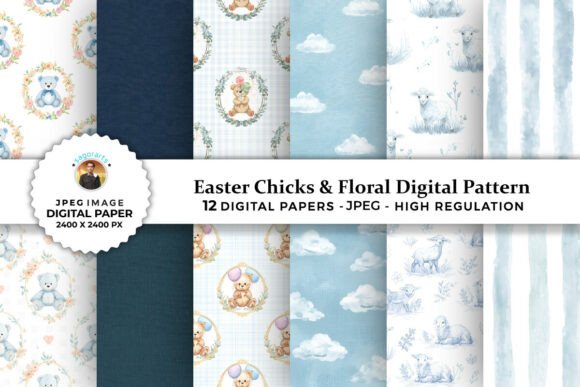
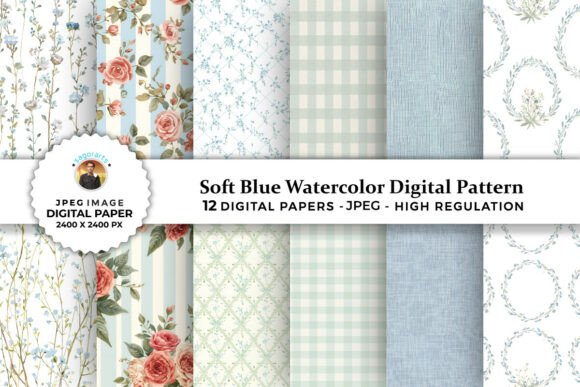
Soft Blue Watercolor Digital Patterns offer a unique and aesthetically pleasing collection of designs that can elevate a wide range of creative endeavors. These patterns, characterized by their gentle blue tones and watercolor textures, provide a subtle yet elegant backdrop for various uses such as gift wrapping, greeting cards, invitations, tumbler wraps, backgrounds, and scrapbooking. The 12 distinct digital papers in this set are delivered in high-resolution JPEG format (2400 x 2400 pixels) within a single zip file, making them convenient to access and use across multiple platforms.
What Makes Soft Blue Watercolor Digital Patterns Unique?
The appeal of Soft Blue Watercolor Digital Patterns lies in their ability to blend the organic feel of hand-painted art with the precision and scalability of digital design. Unlike solid colors or bold graphic patterns, these watercolor-style files feature soft edges, translucent washes, and natural variations that mimic the look of traditional watercolor painting. This gives projects a handcrafted, artisanal touch while maintaining the flexibility needed for modern digital applications.
Each pattern is crafted to evoke a sense of calm and sophistication, making them ideal for both personal and professional creative work. Whether you're designing a wedding invitation or a handmade birthday card, the soft blue palette adds a refreshing and serene visual element without overwhelming the content or message of your project.
Comparing Soft Blue Watercolor Digital Patterns to Other Design Options
When selecting digital patterns for craft projects, it's important to consider how they align with your specific needs. Here’s how Soft Blue Watercolor Digital Patterns compare to other common types:
- Flat Vector Graphics: These are clean and scalable but lack texture and depth. Soft Blue Watercolor Patterns add a more tactile and artistic dimension to digital prints.
- Digital Textures: While textures can enhance visuals, they often require additional layering and editing. In contrast, these watercolor patterns are ready-to-use, reducing the need for complex post-processing.
- Photographic Backgrounds: Realistic photos can be distracting if not carefully curated. The Soft Blue Watercolor set maintains a balance between realism and abstraction, allowing the focus to remain on the primary content.
- Hand-Drawn Sketches: Although unique, sketches may not always translate well into print or digital formats. These patterns are professionally rendered, ensuring consistency and quality across all media types.
Strengths and Best-Fit Applications
One of the standout features of Soft Blue Watercolor Digital Patterns is their adaptability. They work particularly well in the following scenarios:
- Gift Wrapping: Their soothing hues and painterly aesthetics make them perfect for creating elegant gift wrap that feels personalized and thoughtful.
- Greeting Cards and Invitations: These patterns serve as an excellent base for text and illustrations, enhancing the overall design without competing with the message.
- Tumbler Wraps: The high-resolution JPEG format ensures crisp printing, which is essential for items like tumblers where small details matter.
- Scrapbook Layouts: The gentle coloration complements photographs and journaling elements, helping to create cohesive and visually appealing pages.
- Backgrounds for Websites or Social Media: The patterns provide a subtle visual interest that supports branding efforts while keeping the interface user-friendly.
Potential Limitations and Tradeoffs
While Soft Blue Watercolor Digital Patterns are highly versatile, there are some considerations to keep in mind when deciding whether they’re the right fit for your project:
- Color Coordination: The soft blue palette may not suit every design theme. For instance, projects requiring vibrant or contrasting colors might benefit from alternative pattern styles.
- Printing Requirements: Though high-resolution, the effectiveness of these patterns can depend on the printer and paper quality used. Always test a sample before large-scale printing.
- Creative Overlap: Since the patterns are digitally created, there's a possibility of overlap with other artists' works if shared or published publicly. Originality is key when using any digital asset for commercial purposes.
How to Use Soft Blue Watercolor Digital Patterns Effectively
To maximize the potential of these digital papers, consider the following practical tips:
- Layer Wisely: Use the patterns as a background layer and place text or images on top. Adjust opacity if blending with other design elements.
- Repurpose Across Media: From printed cards to digital banners, these patterns maintain a consistent look that adapts well to different formats.
- Combine with Complementary Colors: Enhance the soft blue tones by pairing them with neutral shades like cream, white, or light gray for a harmonious design.
- Customize for Occasions: Modify the patterns slightly—such as adding seasonal motifs or adjusting brightness—to tailor them for holidays, weddings, or birthdays.
Realistic Examples of Use
Here are a few examples illustrating how Soft Blue Watercolor Digital Patterns can be applied in real-world crafting and design scenarios:
- Baby Shower Invitations: The soft blue tones naturally complement baby-themed events, especially those centered around gender-neutral themes.
- Minimalist Gift Boxes: When paired with simple typography and minimal embellishments, these patterns help achieve a clean, modern aesthetic.
- Seasonal Scrapbook Pages: Adding a springtime photo to a soft blue watercolor background creates a fresh and inviting layout.
- Watercolor-Themed Tumblers: Wrap a reusable cup with one of the patterns to create a stylish accessory for tea lovers or office professionals.
Alternatives to Consider
If Soft Blue Watercolor Digital Patterns don’t meet your specific needs, several alternatives could be worth exploring:
- Geometric Patterns: Ideal for contemporary designs or projects that emphasize structure and clarity.
- Botanical Prints: Offer a similar organic feel but with more defined shapes and colors, suitable for nature-inspired themes.
- Abstract Digital Art: Provides more freedom in styling but may require additional design effort to integrate effectively.
- Monochrome Textures: Great for black-and-white or grayscale projects where color isn't necessary.
Choosing between these options depends on the tone you want to set, the target audience, and the intended use of the final product. For instance, if you're creating a business brochure, geometric or monochrome patterns might better reflect professionalism. Conversely, if you're designing a children’s birthday invitation, a bolder or more playful style could be more appropriate.
Decision Factors for Choosing the Right Pattern Set
When evaluating digital pattern sets like Soft Blue Watercolor Digital Patterns, consider the following factors:
- Theme Appropriateness: Does the pattern align with the mood or message of your project? Soft blues are great for calming, elegant, or aquatic themes.
- Design Complexity: Are you looking for something simple to overlay, or do you need intricate details? These patterns fall on the simpler side, making them accessible for beginners and time-efficient for professionals.
- File Format and Resolution: The JPEG format is widely compatible and easy to edit, though it doesn’t support transparency. If your project requires transparent layers, you might prefer PNG-based patterns.
- Quantity and Variety: With 12 different designs, this set offers enough diversity to avoid repetition in multiple projects while still maintaining a cohesive style.
When to Choose Soft Blue Watercolor Digital Patterns
These patterns are particularly well-suited for:
- Projects needing a gentle, non-distracting background.
- Themes involving calmness, serenity, or creativity.
- Applications where a handmade or artisanal look is desired without the hassle of physical materials.
- Those who value versatility and ease of use over customization-heavy workflows.
They also serve as a good foundation for users who want to build upon the pattern with additional graphics or text, thanks to their neutral and balanced appearance.
When to Explore Other Options
However, if your project demands:
- High customization (e.g., adding logos or bespoke illustrations), you may need editable vector files or custom artwork.
- Transparency in the background, such as for overlays on websites or app interfaces, then PNG files would be a better choice.
- A more dynamic or colorful palette, consider pattern sets that include a broader range of hues or abstract compositions.
- Commercial licensing, ensure the chosen pattern set includes rights for resale or redistribution if applicable to your use case.
Understanding your design goals and technical requirements will help determine whether Soft Blue Watercolor Digital Patterns are the best option for your next creative project.
Final Thoughts on Using Soft Blue Watercolor Digital Patterns
In summary, Soft Blue Watercolor Digital Patterns are a valuable addition to any designer’s toolkit. Their combination of subtlety, elegance, and usability makes them adaptable for both casual crafts and professional design tasks. By understanding their strengths and limitations, you can confidently choose when to incorporate them into your workflow and when to seek out other pattern types.
As you explore different digital assets for your projects, remember that the best choice is one that enhances your vision without overshadowing it. Soft Blue Watercolor Digital Patterns strike that delicate balance, offering beauty and functionality in equal measure.